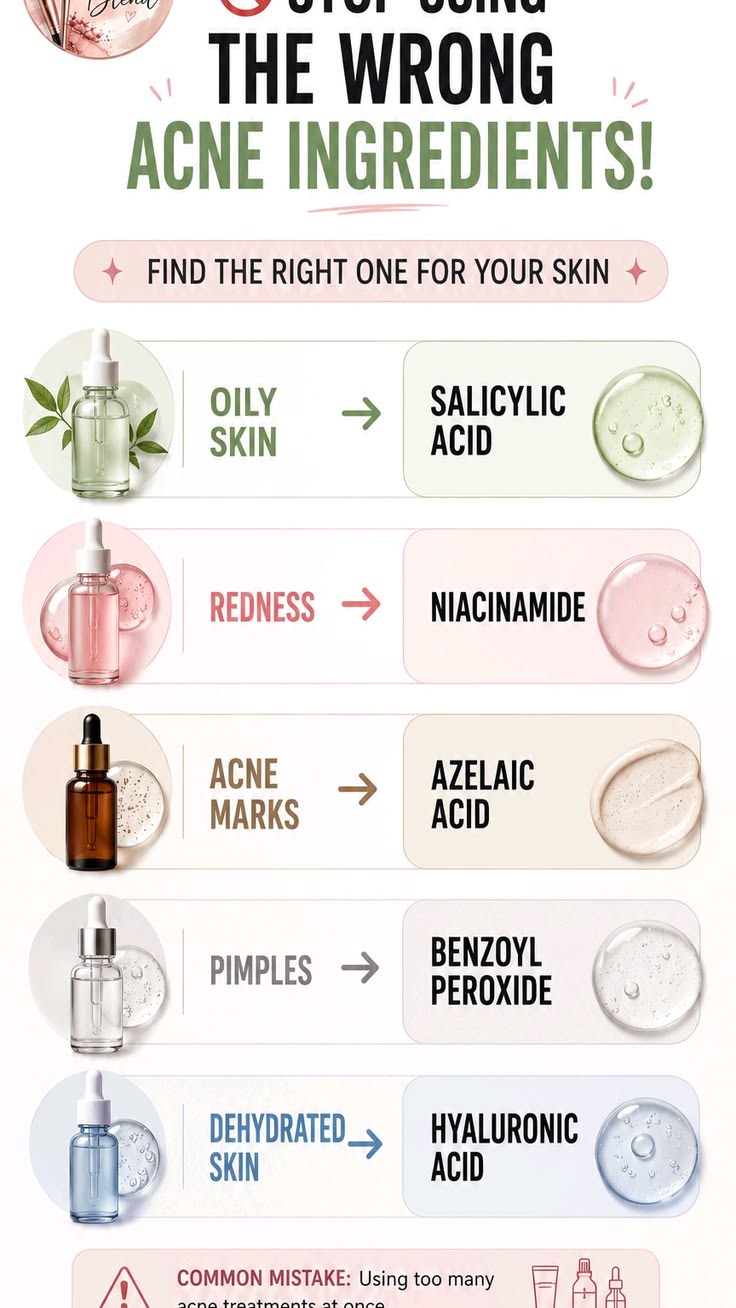
Acne is one problem with multiple causes — excess oil, clogged pores, bacteria, inflammation, post-acne hyperpigmentation. No single ingredient fixes all of them. The reason treatments fail is usually that you're targeting the wrong stage of the problem.
Here's what each of the three most-recommended actives actually does, and when to reach for it.
Salicylic acid (BHA) — the pore unplogger
Salicylic acid is oil-soluble, which means it dissolves inside the pore rather than just working on the surface. That's why it's effective against blackheads, whiteheads, and the kind of congestion that sits just under the skin.
What it doesn't do: It won't significantly reduce inflammation from existing cysts. It's a prevention and maintenance tool more than a treatment for active breakouts.
Who it suits: Oily and acne-prone skin. Start with 1–2% concentrations. Use 2–3× per week, not daily.
Skin Perfecting 2% BHA Liquid Exfoliant
The benchmark for BHA exfoliants. Salicylic acid dissolves inside the pore, not just the surface — which is exactly why blackheads and breakouts respond to it when everything else doesn't.
Shop now →Niacinamide — the regulator
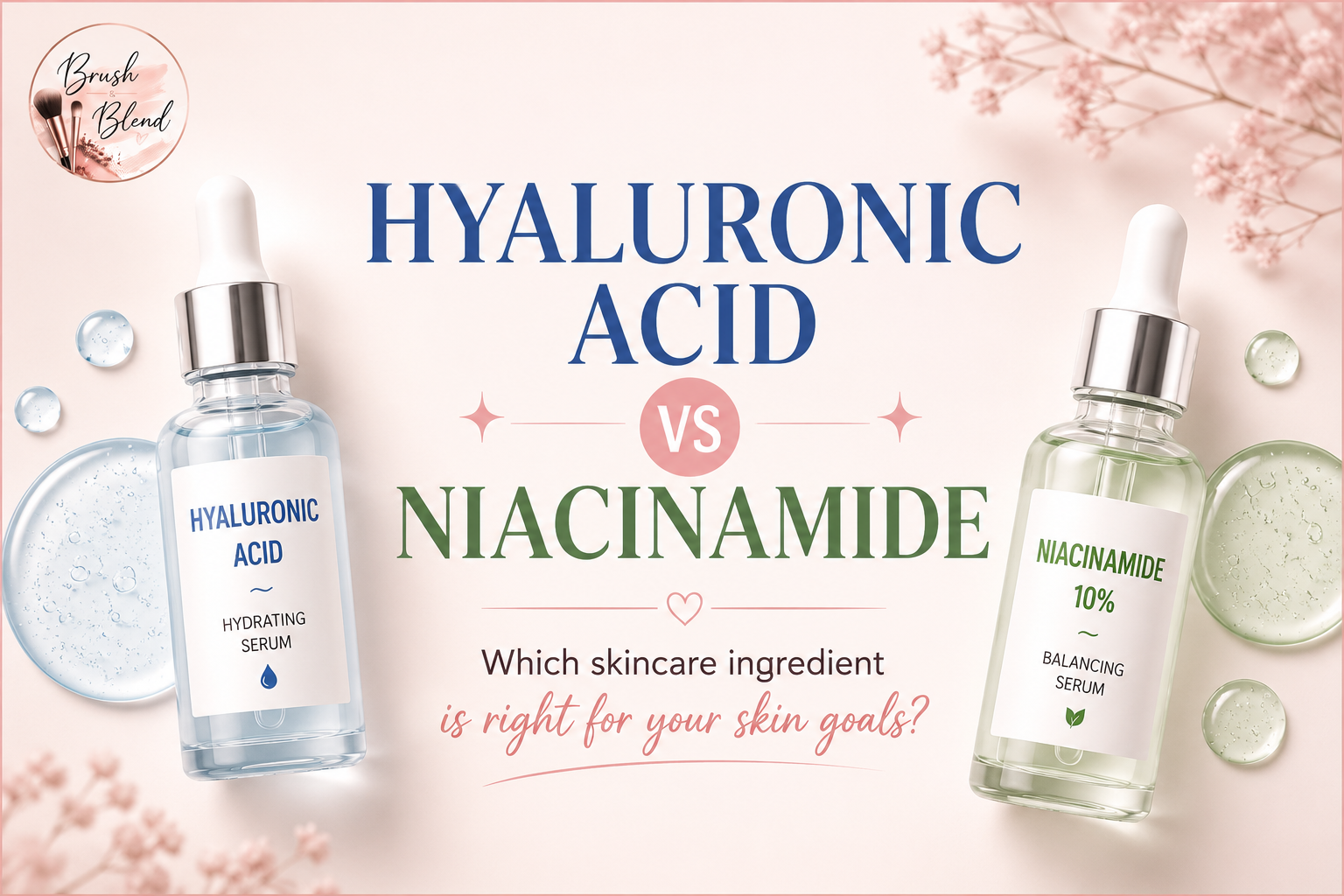
Niacinamide (vitamin B3) does several things at once: it regulates sebum production, reduces pore appearance over time, improves the skin barrier, and fades post-acne marks. It doesn't directly fight acne the way an exfoliant does — it addresses the conditions that cause it.
What makes it different: It's gentle enough for daily use and works on all skin types, including sensitive. It's often the first active anyone with oily skin should add to their routine.
Who it suits: Everyone, but especially oily, acne-prone, and sensitive skin types.
Niacinamide 10% + Zinc 1%
10% niacinamide regulates sebum production without drying — which makes it the first-line active for oily skin. Zinc tackles congestion. At $6 it's an obvious yes.
Shop now →Azelaic acid — the multi-tasker for stubborn skin
Azelaic acid does three things simultaneously: it kills the bacteria responsible for acne (P. acnes), reduces inflammation, and fades hyperpigmentation. It's particularly effective for stubborn hormonal acne and post-inflammatory marks.
What makes it different: It's one of the few actives safe during pregnancy. It's also effective on rosacea, which is why dermatologists often recommend it when skin is reactive and acne-prone.
Who it suits: Acne-prone and sensitive skin, particularly when post-acne marks are a concern. Look for 10–15% concentrations in over-the-counter formulas; 15–20% is prescription.
How to use them together
You don't have to choose. Many effective routines use all three, in different applications:
Morning: Niacinamide serum → moisturiser → SPF
Evening (non-exfoliation nights): Azelaic acid → moisturiser
Exfoliation nights (2–3× per week): BHA → wait 15 min → moisturiser
Introduce one new active at a time, spaced two weeks apart. If you add three at once and your skin reacts, you won't know which one caused it.
Common questions
Can I use salicylic acid and niacinamide together?
Yes — they don't interact negatively. Apply niacinamide after BHA has fully absorbed (about 10–15 minutes).
Is azelaic acid available without a prescription?
In the US and UK, 10% azelaic acid is available OTC (The Ordinary, Naturium). 15–20% is prescription.
How long until I see results from these actives?
BHA: visible improvement in congestion within 4–6 weeks. Niacinamide: oil regulation in 4–8 weeks, mark fading in 12+. Azelaic acid: mark fading in 8–16 weeks. Patience is non-negotiable.